Established Home Builder: Constructing Your Dream Home
Picking a reliable home builder is a essential step in making a concept into a real actuality. This choice can considerably shape the construction process and total happiness. Key qualities including communication skills, professional experience, and a strong track record are necessary. Recognizing these considerations can produce a more efficient experience. Nevertheless, numerous homeowners disregard critical elements that can impact their experience. What should they consider before making this important choice?
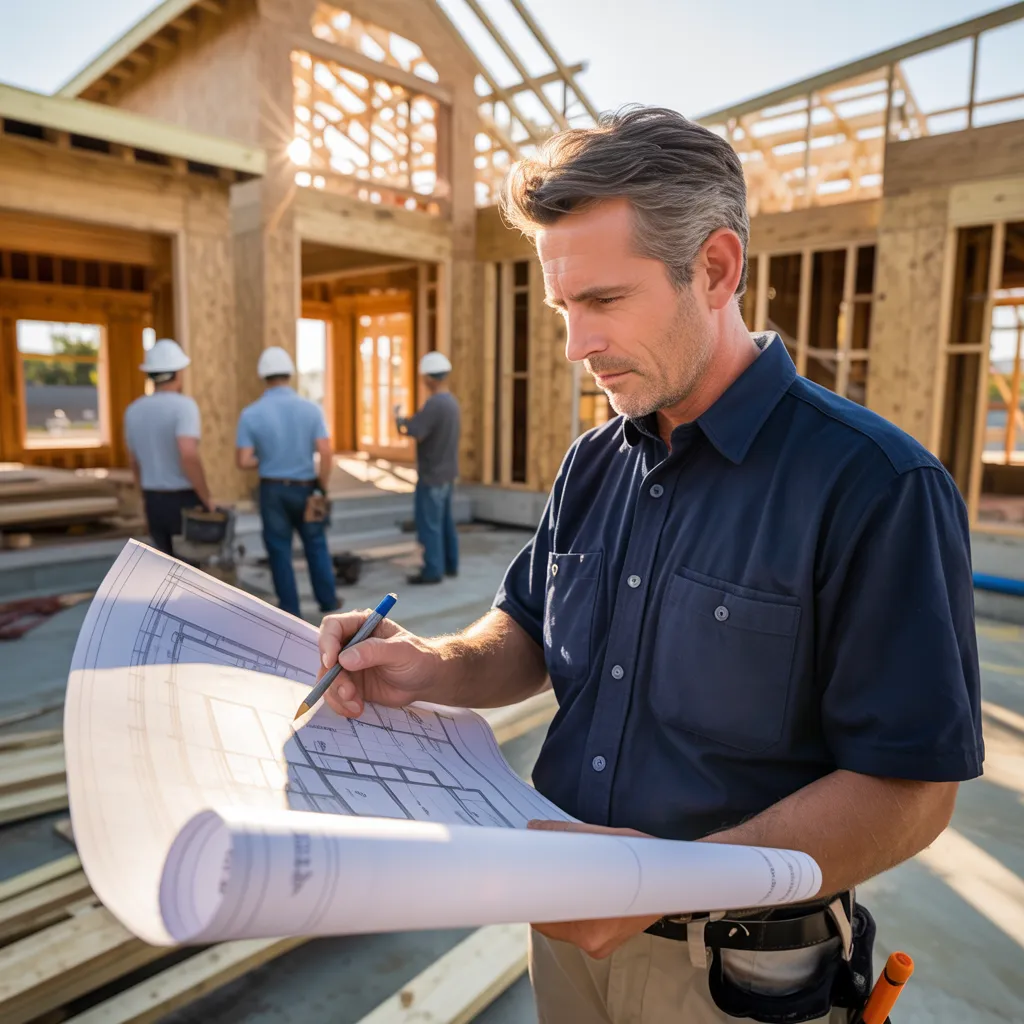
Essential Characteristics of a Reliable Home Builder
When choosing a home builder, the basis of a thriving relationship depends on their fundamental qualities. A reliable home builder exhibits excellent interpersonal abilities, ensuring transparency throughout the building phase. They should have substantial professional expertise, which prepares them to navigate challenges and provide superior craftsmanship. Careful precision is another important characteristic; it demonstrates their commitment to craftsmanship and compliance with building codes.
In addition, a good builder should achieve a commendable reputation, validated by positive opinions and testimonials from past clients. This dependability is most often built on responsibility and dependability in meeting deadlines and budgets. Flexibility also plays a important role, as a builder should to be open to customer input and willing to adapt plans as indicated. Ultimately, these qualities collectively to foster a collaborative environment, fundamental for turning a client's aspiration into reality.
Perks of Opting for the Best Builder for Your Dream Home
Identifying the right construction expert greatly enhances the home building journey, converting ideas into concrete outcomes. A experienced builder not only brings professionalism and expertise but also guarantees adherence to timelines and budgets. This dependability creates peace of mind for homeowners, knowing their property investment is in trustworthy hands.
Furthermore, a reputable builder often develops proven partnerships with suppliers and subcontractors, leading to better grade materials and workmanship. This can result in a more durable and efficient home, ultimately reducing long-term maintenance costs.
Furthermore, the ideal contractor offers valuable insights during the design phase, customizing the home to meet particular requirements and preferences. Their understanding of local regulations and building codes can expedite the permitting process, reducing delays.
Ultimately, selecting the perfect builder lays a strong foundation for a successful venture, improving satisfaction and assuring that the dream home becomes a fact.
What Lies Ahead During Your Home Building Experience?
What will homeowners face during the home building journey? The process initiates with an first appointment, where homeowners express their vision and budget with the construction firm. This stage often entails property selection and procuring required permits, which can take time and necessitate patience.
Once planning is underway, construction phases commence, covering earthworks, framing, and the installation of essential services. Homeowners should be ready for consistent updates and site visits to observe progress. Challenges may occur, like weather delays or shortages of materials, which are usual in the building workflow.
As the work reaches its end, homeowners will participate in final evaluations, confirming everything meets their desires. This passage finishes with the wonderful moment of receiving the keys to their new home. Throughout this timeline, effective communication with the builder is essential to navigate challenges and confirm that the final result reflects the homeowner's vision.
Top Questions to Evaluate Your Home Builder
When choosing a home builder, it's important to evaluate their experience and credentials to guarantee they have a solid history of success. Additionally, evaluating their responsiveness and communication skills can offer understanding of how efficiently they will manage the building process. Asking the right questions can help prospective homeowners make well-considered choices.
Background and Credentials
When prospective home buyers begin on the journey of constructing their dream home, comprehending a builder's qualifications and background becomes crucial. Assessing a builder's track record is important; time spent in the field often indicate reliability and expertise. Homeowners should inquire about finished work, emphasizing quality and design that align with their vision. Credentials and permits further validate a contractor's dedication to professional norms and regulations. Additionally, checking for memberships in professional organizations can shed light on the builder's commitment to ongoing education and best practices. Homeowners should also seek testimonials from previous customers to measure contentment and results. Ultimately, evaluating qualifications and background lays a strong foundation for a productive construction relationship.
Communication and Quick Response
How well a builder communicates can largely shape the home-building experience. Potential homeowners need to assess a builder’s responsiveness during initial inquiries. Consider the following questions: How quickly does the builder reply to calls or emails? Are they willing to meet in person to discuss project details? Good communication does not just fosters trust but also guarantees that expectations are clear. Also, inquire about how updates are provided during the construction process. Do homeowners get consistent progress reports? Is there a process established for addressing concerns? A builder’s open and consistent engagement can indicate their commitment to satisfying customers. In the end, clear communication and responsiveness are key to a smooth and successful home-building experience.
How to Analyze Home Builder Ratings
What factors should one consider when evaluating home builder feedback? First, it is essential to evaluate the foundation of the reviews. Credible websites or platforms with verified customer feedback strengthen credibility in the feedback. Next, potential purchasers should identify patterns in the reviews. Consistent feedback pertaining to workmanship, communication, and speed can provide insight on the builder's reliability.
Additionally, distinguishing subjective opinions from objective facts is crucial. Comments about individual stories may vary widely, but particular details about skill or project completion can deliver valuable information.
Additionally, the timing of the reviews plays a role; recent feedback often depicts a builder's current work quality and standards. Finally, analyze the overall rating paired with individual reviews, as a high average may point to a generally good standing despite a few negative experiences. By thoughtfully evaluating these factors, one can make a more sound decision when determining a home builder.
Recommendations for Strengthening a Enduring Relationship With Your Builder
Building a strong relationship with a home builder depends on effective communication and transparent expectations. Establishing open channels for dialogue allows both parties to share concerns and updates throughout the construction process. Additionally, setting concrete expectations from the outset dive in fosters a collaborative environment, improving overall project satisfaction.
Open Communication Channels
Effective exchange serves as the key element of a successful relationship between homeowners and builders. Establishing direct communication channels fosters transparency and trust throughout the construction process. Homeowners should emphasize routine updates, utilizing various methods such as emails, phone calls, or in-person meetings to guarantee that concerns are addressed promptly. Builders, in turn, should provide updates on project progress and any potential challenges, supporting a two-way dialogue. This proactive approach helps to curb misunderstandings and promotes a collaborative atmosphere. Additionally, homeowners should feel comfortable voicing questions or suggestions, while builders should remain receptive and responsive. By nurturing these open lines of communication, both parties can work together effectively, ultimately leading to a more satisfying home-building experience.
Set Clear Standards
When homeowners and builders convey clear expectations from the start, the basis for a strong relationship is formed. This transparency helps both stakeholders understand project timelines, financial limitations, and design preferences, minimizing misunderstandings. Homeowners should express their vision and priorities, while builders must convey practicality and possible obstacles. Regular check-ins throughout the process ensure that any adjustments are made collaboratively. Creating a detailed contract that specifies duties, deadlines, and payment schedules further strengthens this understanding. By emphasizing openness, both homeowners and builders can cultivate trust and responsibility. In the end, establishing transparent guidelines not only enhances communication but also supports an easier construction process, resulting in the realization of the homeowner's ideal residence concept.
Frequently Inquired Questions
What is the Typical Timeline for the Home Construction Process?
Home construction procedures generally take six to twelve months, depending on elements including complexity of design, permit approvals, and climatic factors. Each project differs, affecting total timelines and project completion substantially.
Which Payment Choices Are Provided for Home Building?
Various funding solutions for home construction comprise conventional loans, FHA loans, construction-to-permanent loans, and personal loans. Each option offers unique terms and conditions, enabling individuals to select based on their financial circumstances and project requirements.
Am I Able to Update Plans While the Construction Timeline?
Yes, changes can usually be made during the construction phase. However, the scope and viability depend on the project's stage, financial considerations, and the contractor's guidelines, necessitating clear communication between the homeowner and the builder.
What Guarantees Do Builders Generally Give After Completion?
Builders commonly offer protection plans addressing structural defects, labor quality, and materials for a set timeframe, often spanning one to ten years. These warranties ensure coverage against potential issues that may arise post-completion of the construction.
How Are Project Hold-ups Communicated to Homeowners?
Construction delays are customarily notified to property owners through continuous communications through telephone or email contact. Builders could additionally furnish formal documents explaining the delay causes, projected completion dates, and remedial steps being executed to mitigate the issues.